
Luxury Real Estate Marketing Materials: The 10 You Need
By Kris Reid ·Updated
Luxury real estate marketing runs on ten core materials: professional photography, video or a 3D tour, a single-property website, a printed brochure, a floor plan and fact sheet, a written marketing plan for the seller, ad and social creative, private-showing invitations, a local market report and an agent brand kit. Together they sell the home and prove you can sell the next one.

The list hasn’t changed much since this article first ran. What has changed is the standard. Buyers now expect the full story online before they book a showing, sellers compare agents by their last few listings, and new MLS rules let sellers keep a listing out of public view. This version covers what each material should include, which ones to hire out and how the pieces fit together.
What makes luxury real estate marketing materials different?
Luxury real estate marketing materials differ from standard ones in depth, finish and audience. A standard listing needs to be found. A luxury listing needs to justify a price that is several times the local median, to a small group of buyers who often have advisors, family offices or other agents looking over their shoulder.
For the standard version of the kit, see our guide to real estate marketing materials by job.
Three things follow from that:
- More information, not less. Buyers want construction details, finishes, systems, land and HOA facts. A sparse listing reads as a red flag at a high price.
- Visuals do the first showing. In NAR’s 2025 Profile of Home Staging, buyers’ agents rated photos (73%), physical staging (57%), videos (48%) and virtual tours (43%) as highly important to their clients. Get the visuals wrong and the rest of the kit rarely gets read.
- Everything is judged as a set. Your brochure, website and ads should look like they came from one firm, because the buyer sees all of them. For how the biggest luxury brands handle that consistency, see the top 10 luxury real estate brands.
What are the 10 essential luxury real estate marketing materials?
The 10 essential luxury real estate marketing materials are split between the listing kit, which sells this property, and the agent kit, which wins the next listing. Here is what goes in each one.
1. Professional photography
Hire a photographer who shoots high-end homes, not a generalist. Ask for a full interior set, exterior details, twilight shots and aerial images where the land, water or views are part of the value. Plan the shot list around the features you’ll write about, so the copy and the photos tell the same story.
2. Video and a 3D tour
A cinematic video sells the feeling of the home. A 3D tour or a walk-through listing video sells the layout. Luxury listings need both, because remote and international buyers often shortlist homes before they fly in. For production tips, see video marketing tips for luxury property.
3. A single-property website
A dedicated page or site gives you one clean link to put in ads, emails, brochures and agent outreach. It should hold the full photo gallery, video, floor plan, feature list, neighborhood information and a simple inquiry form. Keep the form short: name, email or phone, and a message.
4. A printed brochure
Print still matters at the top of the market. A well-made brochure is something buyers carry out of a private showing and pass to a spouse, advisor or architect. Use heavy stock, few words per page and a QR code to the property website. Print fewer copies of a better piece rather than many copies of a cheap one.
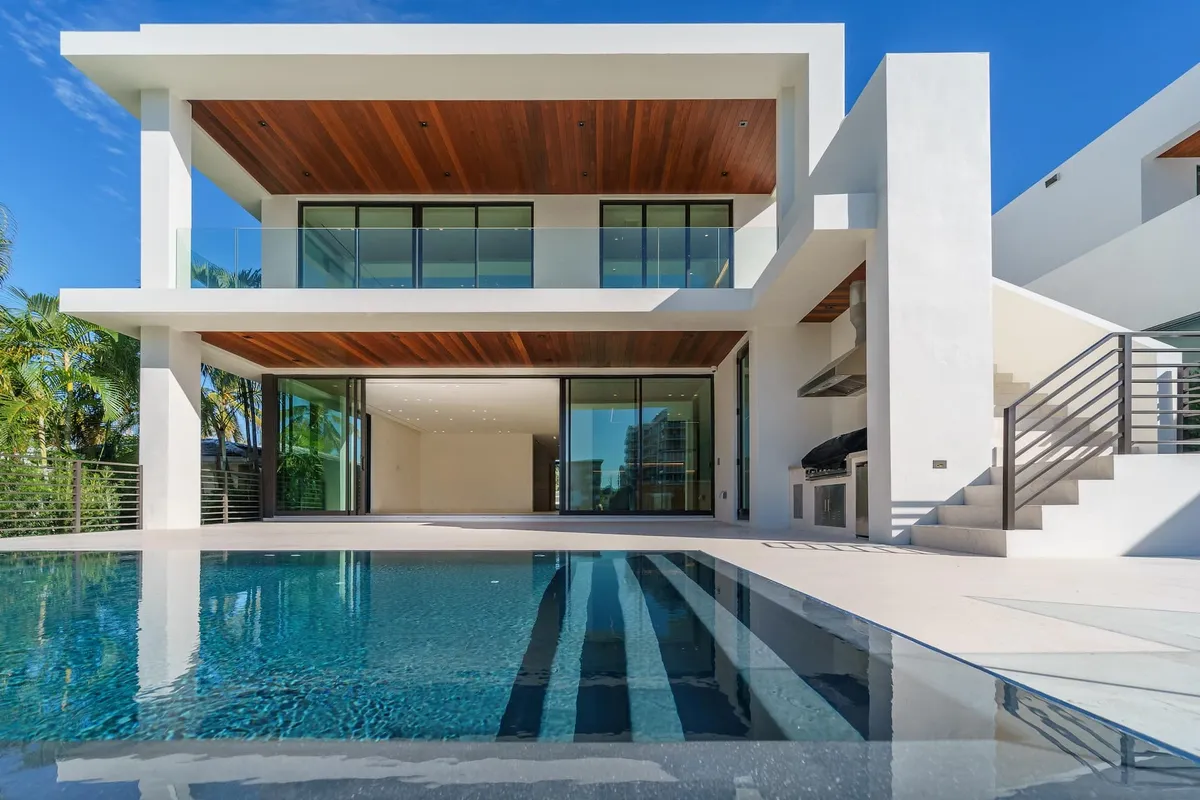
5. Floor plan and property fact sheet
The floor plan answers the questions photos can’t. The fact sheet lists square footage, lot size, year built, renovations, systems, taxes, HOA details and inclusions. Have the seller confirm every figure in writing; one wrong number in a luxury listing undermines everything else.
6. A written marketing plan for the seller
This is the document that wins the listing. Lay out the launch timeline, the materials you’ll produce, where the home will be shown, how you’ll reach agents with qualified buyers and how you’ll report results. Sellers of expensive homes want to see the plan before they sign.
7. Ad and social creative
Build a set of ad images, short vertical videos and captions sized for each platform you’ll use. Housing ads on Meta and Google run under restricted targeting rules, which the guide to advertising luxury real estate online explains.

8. Private-showing and broker-event invitations
Many luxury sellers don’t want a public open house. Invitations to a broker preview or a private showing, sent to agents who work that price range, replace the yard sign. Keep them short and include the property website link.
9. A local luxury market report
A monthly or quarterly report on high-end sales in your area is a listing tool and a prospecting tool at once. Sellers keep it, share it and remember who sent it. Use only data your MLS lets you publish, and pair local numbers with national context from the luxury homebuyer statistics roundup.

10. An agent brand kit
Your brand kit covers your logo, fonts, colors, business cards, stationery, bio, headshot and a page listing your press and interviews. Write the bio around one clear real estate value proposition so every piece says the same thing. Sellers research agents before they call. An “as heard on” or press page gives them proof; see how to build a media page that helps your rankings.
Which luxury marketing materials should you hire out?
Hire out the luxury marketing materials where skill is visible, and keep the ones where your market knowledge is the product. This table is a starting point.
| Material | Hire a pro or do it yourself | Why |
|---|---|---|
| Photography | Hire a pro | Buyers judge the home by the first images they see |
| Video and 3D tour | Hire a pro | Shaky or dark footage costs more than it saves |
| Property website | Template plus your edits | A good template is fine if the photos and copy are strong |
| Brochure | Designer, your copy | Layout and print quality show; the facts come from you |
| Floor plan | Hire a pro | Measurement errors become disclosure problems |
| Fact sheet | Do it yourself | You and the seller hold the facts |
| Seller marketing plan | Do it yourself | It shows how you think, which is what the seller is hiring |
| Ad and social creative | Either | Short phone video can work for social if it is well lit |
| Invitations | Do it yourself with a template | Speed matters more than design |
| Market report | Do it yourself | Your analysis is the value |
How do the materials work together on a real listing?
The materials work together as a sequence: the plan wins the listing, the visuals and website launch it, and the brochure and invitations close the gap between interest and a showing.
If the seller wants privacy, the sequence changes. Under NAR’s Multiple Listing Options for Sellers policy, effective March 25, 2025, a seller can choose an office exclusive, which is filed with the MLS but not shared or publicly marketed, or a delayed marketing listing, which holds off IDX and syndication for a period the local MLS sets. Both need the seller’s signed disclosure. Confirm the listing type with your broker before any public material goes out.
What should be on your luxury marketing materials checklist?
Your luxury marketing materials checklist should cover the listing kit, the agent kit and compliance. Use this list before every high-end launch.
- Listing type confirmed (public, office exclusive or delayed marketing) and seller disclosure signed if needed
- Photographer, videographer and floor plan booked, with a shot list tied to the key features
- Fact sheet figures confirmed by the seller in writing
- Property website live, mobile-tested, with a short inquiry form
- Brochure proofed for typos, prices and square footage
- Ad and social creative sized for each platform, with brokerage name as your broker requires
- Invitations sent to agents active in the price range
- All copy checked for Fair Housing language: describe the property, not the people
- Market report and agent brand kit up to date for the listing presentation
Agents still matter in this process. NAR’s 2025 Profile of Home Buyers and Sellers found that 88% of buyers purchased through an agent or broker, and that all-cash purchases averaged 26% of sales, an all-time high. At the top of the market, the agents representing those cash buyers are the first audience your materials have to impress. For content you can keep publishing between listings, see luxury real estate content ideas.
Sources
- NAR report reveals home staging boosts sale prices and reduces time on market, National Association of REALTORS (accessed October 9, 2026)
- Multiple Listing Options for Sellers, National Association of REALTORS (accessed October 9, 2026)
- NAR 2025 Profile of Home Buyers and Sellers reveals market extremes, National Association of REALTORS (accessed October 9, 2026)
Frequently asked questions
Do luxury buyers still read printed brochures?
Many do, especially at private showings, where a heavy printed brochure is something a buyer takes home and shows a spouse or advisor. Print fewer copies, on better stock, and pair each one with a link or QR code to the property website.
Should I make a separate website for every luxury listing?
For homes at the top of your market, yes. A single-property page or site gives you one clean link for ads, emails and agents, and it can hold the full photo set, video, floor plan and documents that won't fit in an MLS listing.
Can I use AI-written listing descriptions for luxury homes?
You can use AI for a first draft, but a luxury description has to be checked line by line for accuracy and Fair Housing language. Invented features or vague filler will cost you credibility with buyers who visit the home.

Founder & CEO, Ardor SEO; Co-Founder & CEO, Icons of Real Estate
Kris Reid founded Ardor SEO in 2010 after a career in software engineering with major banks. He co-founded Icons of Real Estate, a podcast network for real estate professionals, and has been a guest on more than 100 podcasts.